Product portfolio
Description
These switches are highly versatile and can be used in a wide range of applications including Water Treatment, Chemical and Petrochemical, Oil & Gas, Food & Beverage, Energy / Power Generation and others. They are suitable for detecting the levels of various liquids and providing reliable performance across different types of fluids.
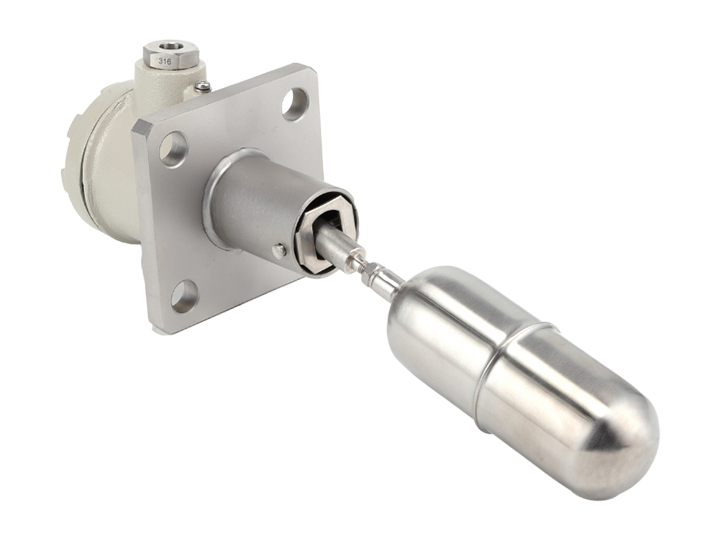
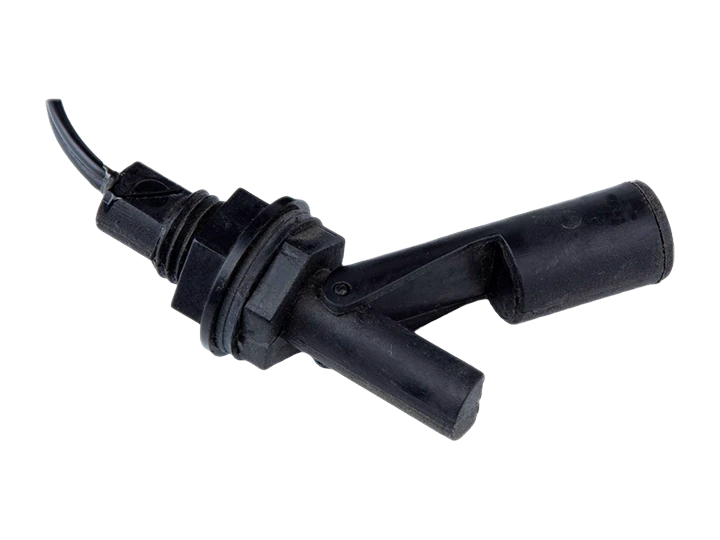
Side Mount Float Operated: Typically used for horizontal tanks, these switches offer flexibility and ease of installation on larger vessels and can be customized for different liquid levels.
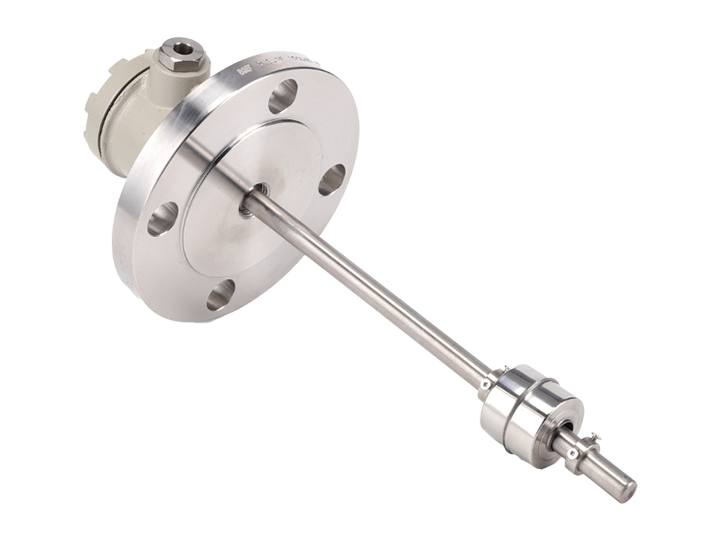
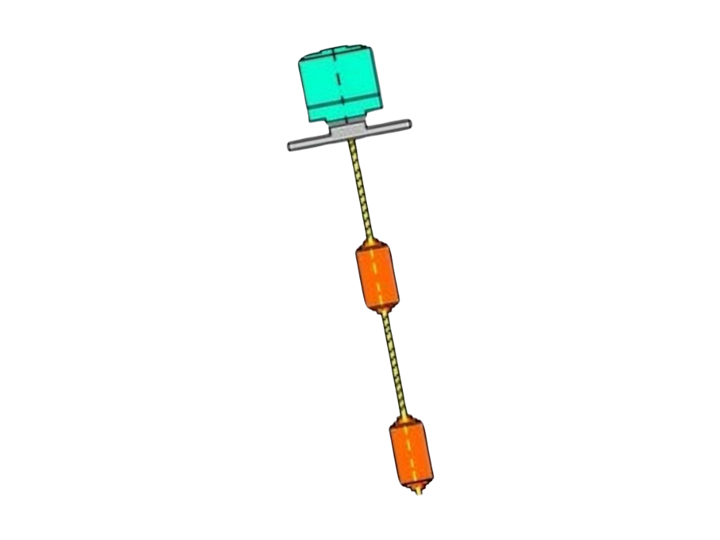
Top Mount Float Operated: Ideal for vertical tanks, these switches are easy to install and provide reliable level detections with the float positioned on top of the liquid to detect changes.
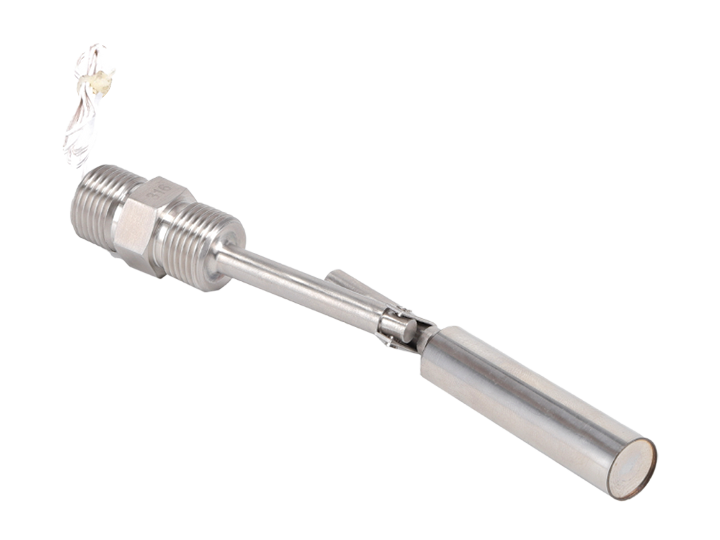
Miniature Float Operated: These are compact and suitable for smaller tanks and confined spaces where space limitations prevent the use of larger switches.
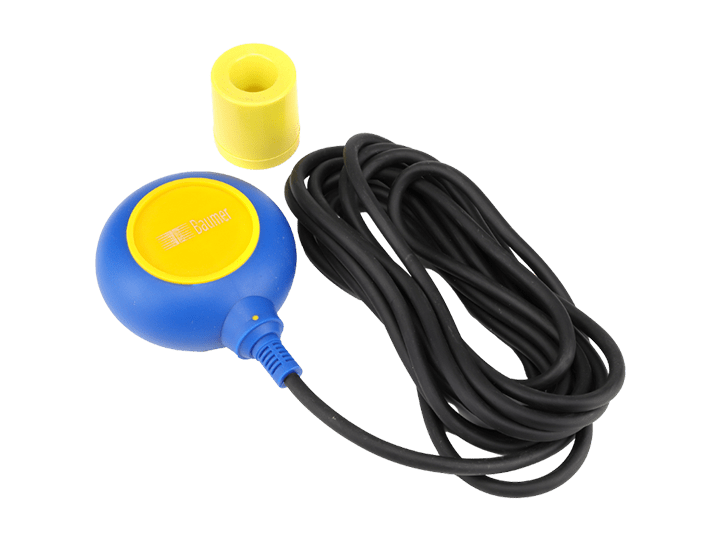
Cable Float Level Switches: They are ideal for applications where long cable lengths are needed to detect liquid levels over larger vertical distances, offering flexibility for use in deep or tall tanks.
Displacer Level Switches: The displacer uses buoyancy to detect liquid levels with high accuracy making them ideal for high-pressure and high-temperature applications in steam boilers or pressurized vessels.
Your benefits
These level switches are based on simple mechanical or buoyancy-based principles, making them easy to use and reliable in a variety of applications. There straight-forward design results in low complexity and cost-effective operation. Built with high-quality materials like stainless steel and durable plastics, these level switches can withstand harsh environmental conditions and exposure to corrosive substances. These switches provide precise level detection, ensuring that liquid levels are consistently monitored. Due to their mechanical nature, they have few moving parts, resulting in low maintenance requirements and reduced downtime, which is beneficial in continuous industrial processes. Many of these switches are equipped with safety features like fail-safe contacts or alarm outputs to alert operators when a critical level is reached, thus improving safety in hazardous processes.
Technology
Side Mount Float Operated Level Switches work based on the principles of buoyancy and magnetic or mechanical actuation. The float is made of a buoyant material that sits on the surface of the liquid inside the tank or vessel.
Top mount designes are installed at the top of the tank or vessel with the float typically hanging or resting on the surface of the liquid. As the liquid level changes, the float moves vertically within the tank and triggers a switching mechanism to indicate or control the level of the liquid.
Miniature Float Operated Level Switches operate based on buoyancy where the float moves with the liquid level inside the tank or vessel and a switch is triggered when the float reaches a specific point.
Cable Float Level Switches work through the interaction of a buoyant float, a cable and an internal switching mechanism. The float is a buoyant object that floats on the surface of the liquid. As the liquid level rises or falls, the float moves up or down with the level.
Displacer Level Switches operate based on Archimedes' principle of buoyancy which states that an object submerges in a fluid experiences an upward buoyant force equal to the weight of the displaced fluid. In this type of level switches, the displacer (a metal rod or float) is suspended within the liquid. The displacer moves in response to change in the liquid level and this motion triggers the internal switching mechanism.