
Product portfolio
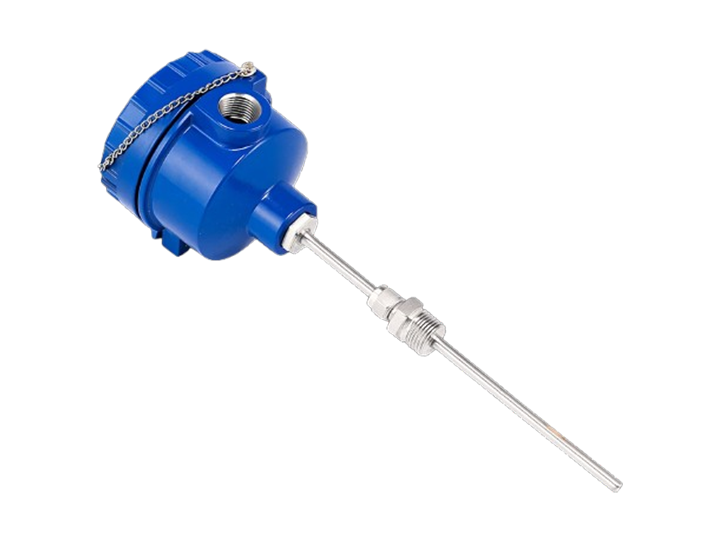
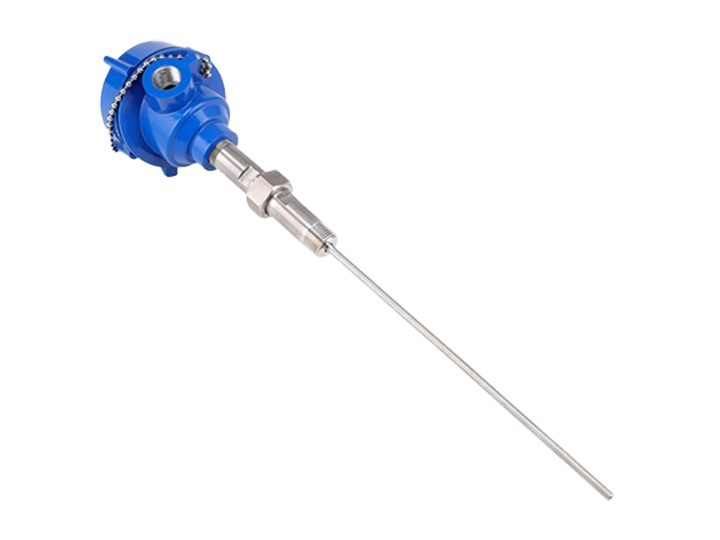
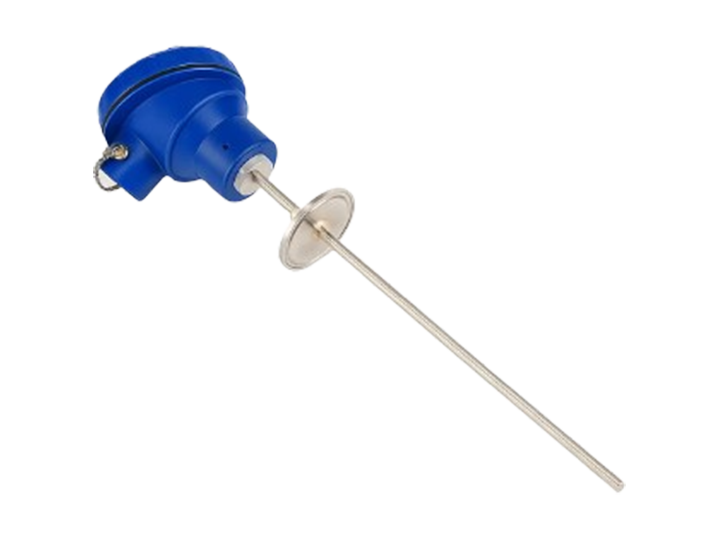

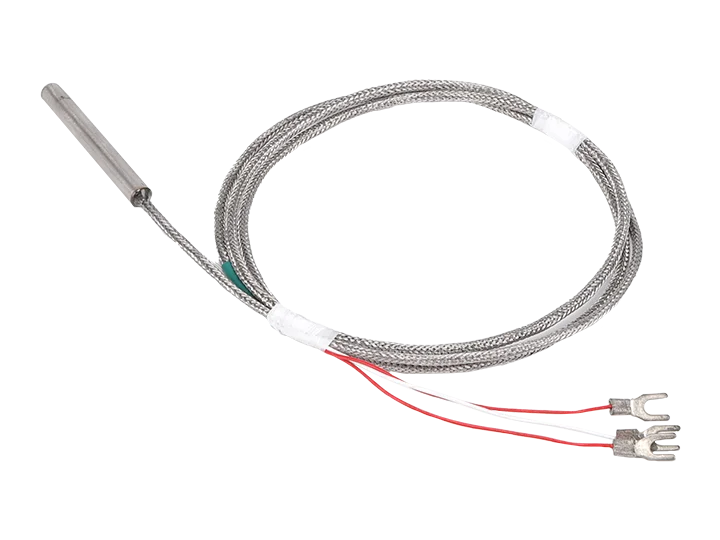
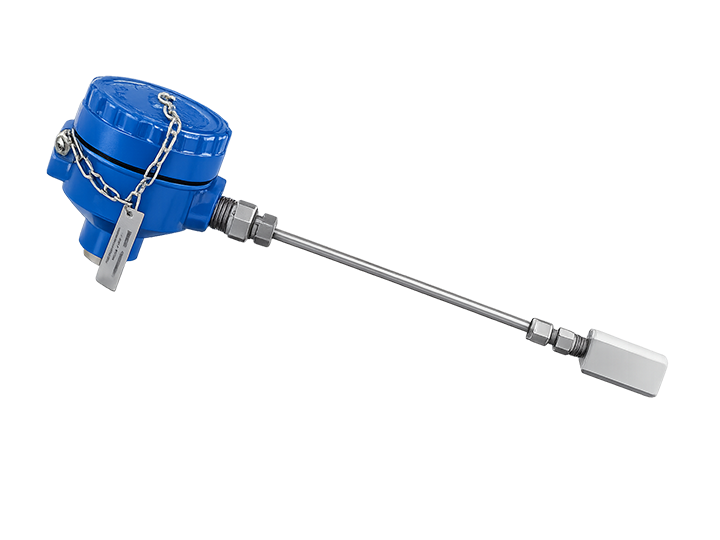
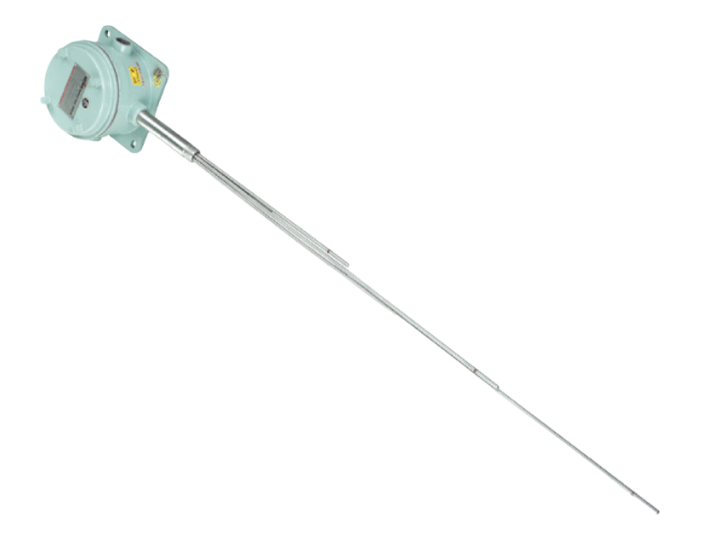
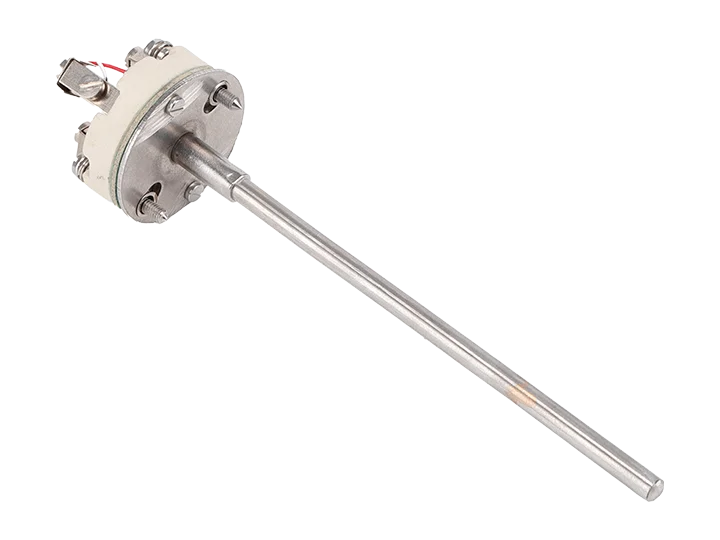
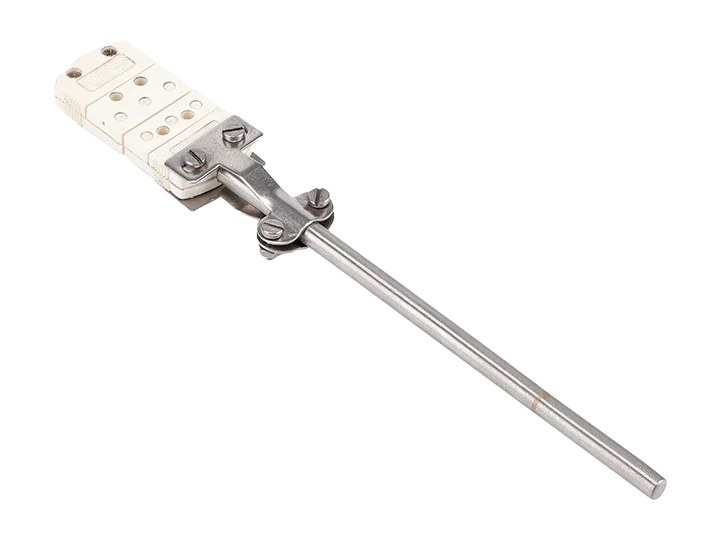
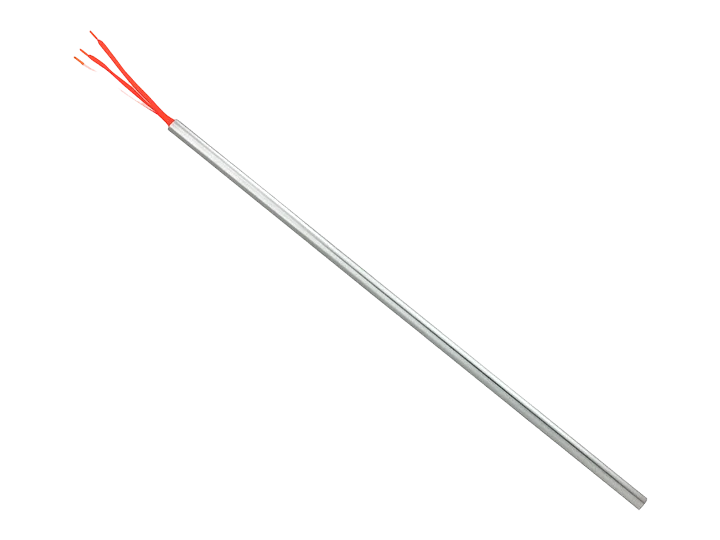
Description
Platinum RTDs are highly durable and resistant to oxidation, providing long-term stability and excellent resistance to environmental factors such as moisture, corrosive gases and physical wear. RTDs provide highly repeatable measurements and less prone to "drift".
Baumer Technologies RTDs are available with various element types, configurations, sheath materials and diameters.
RTDs guarantee accurate reading for temperatures from -200 to 600 °C and are available in sheath diameter from 3 mm to 12 mm.
RTDs are widely used across various applications and industries like Manufacturing, Chemical and Petrochemical, HVAC, Energy / Power Generation, Food & Beverage, Automotive, Aerospace, Pharmaceutical and many more.
Your benefits
Baumer Technologies RTDs find use in many applications including Oil & Gas, Pharmaceutical, Food & Beverage and many more.
- Sheath diameters: 3 mm to 12 mm
- Types of RTDs: Pt100, Pt1000, Pt500
- Accuracy: Class A, Class B, Class 1 / 3 DIN B (Class AA), Class 1 / 10 DIN B
- Measuring ranges: -200 to 600° C
- Industry standards: IEC 60751 / DIN 43760
- Approvals: ATEX, CE, IECEx, FM, CSA, PESO / CCOE
- Configurations: Simplex, Duplex, Triplex, Multi Sensors
- Element types: Thin film, Wire wound ceramic type
- Sheath materials: AISI SS 304, AISI SS 316, AISI SS 316L and with PTFE / Teflon coating
- Customer-specific RTDs for many applications on request
Technology
The principle of operation of a Resistance Temperature Detector (RTD) relies on the property of certain metals to exhibit a predictable and consistent change in electrical resistance with temperature.
This property, known as the positive temperature coefficient (PTC), means that as the temperature increases the resistance of the metal also increases. Typically RTDs use metals like platinum which are highly stable and provide a nearly linear resistance-to-temperature relationship. The RTDs sensing element, made of the chosen metal, is exposed to the environment whose temperature needs to be measured. A small, constant current is passed through the RTD, generating a voltage drop proportional to its resistance.
By measuring this voltage and applying a standardized calibration (such as IEC 60751 / DIN 43760 standard for platinum RTDs), the corresponding temperature can be determined with high accuracy. The linearity, stability and wide operating range of RTDs make them ideal for precise temperature measurement in Industries, Laboratories and Environmental Monitoring. Platinum is preferred for its wide temperature range, chemical stability and resistance to corrosion. The sensing element is housed in a protective sheath made of materials like stainless steel to shield it from mechanical damage and environmental factors.