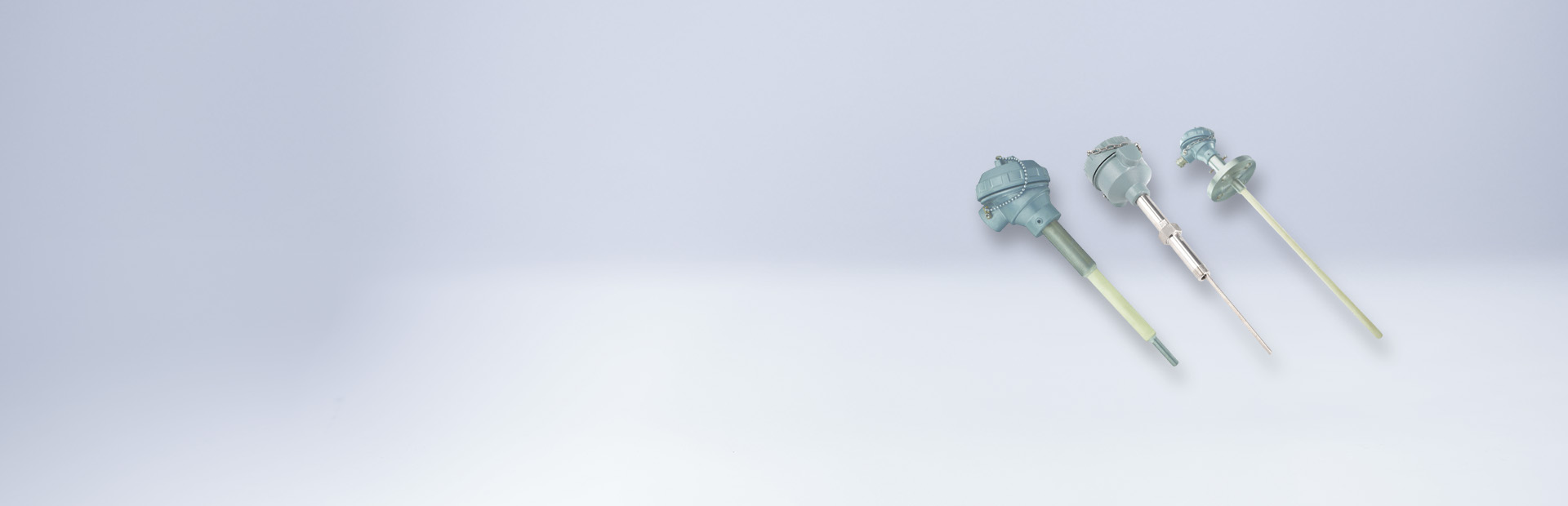
Product portfolio
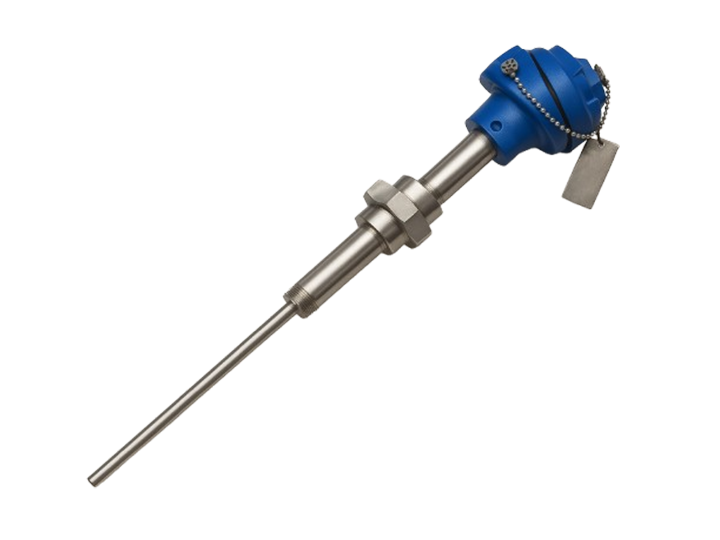
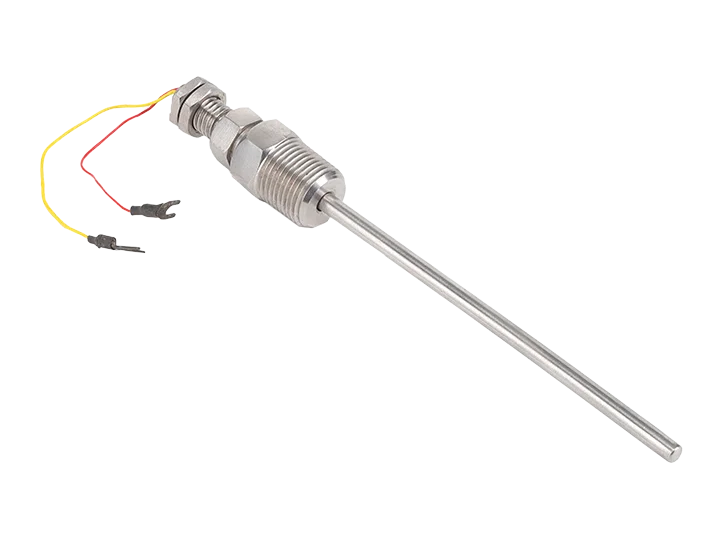
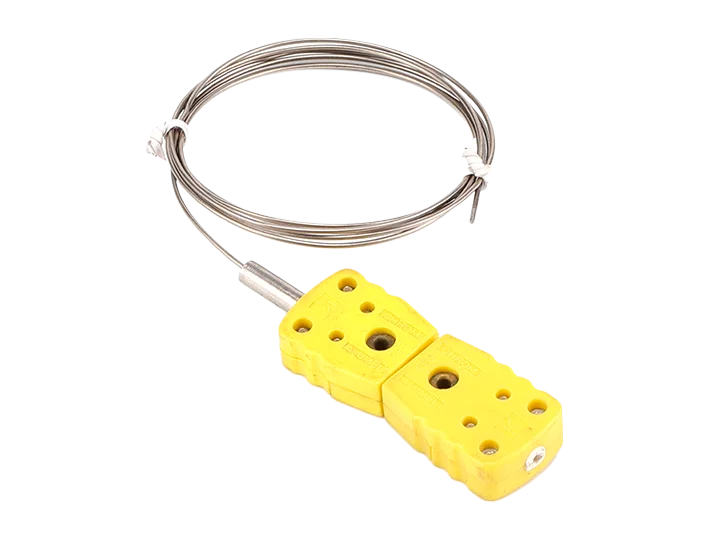
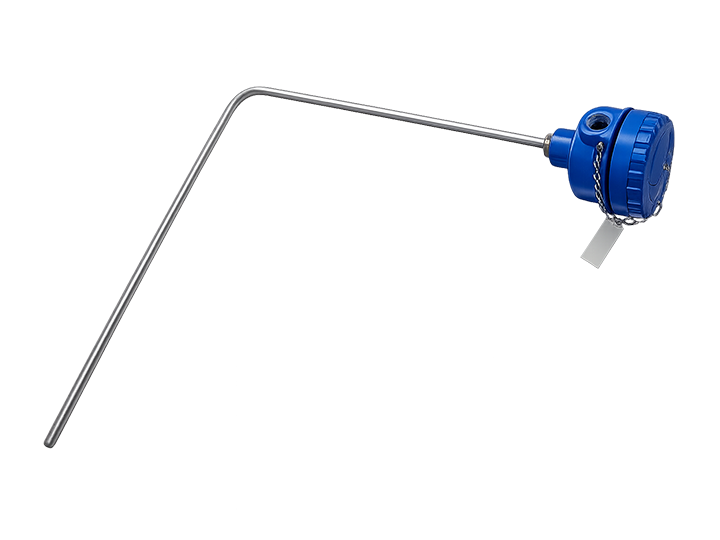
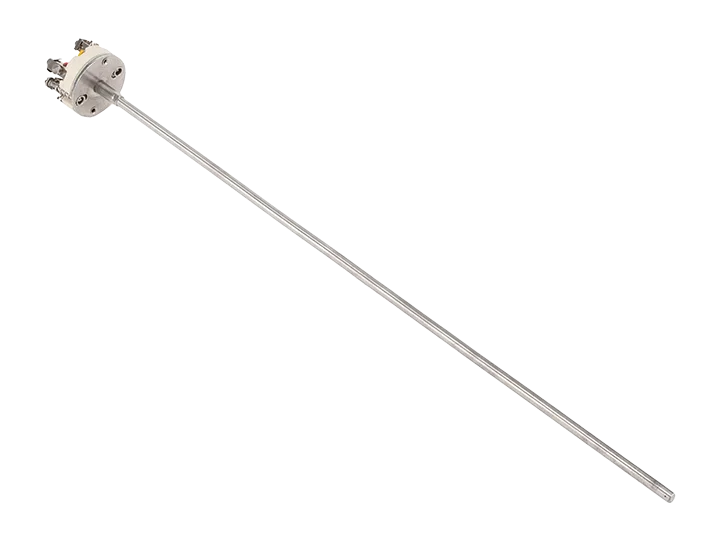
Description
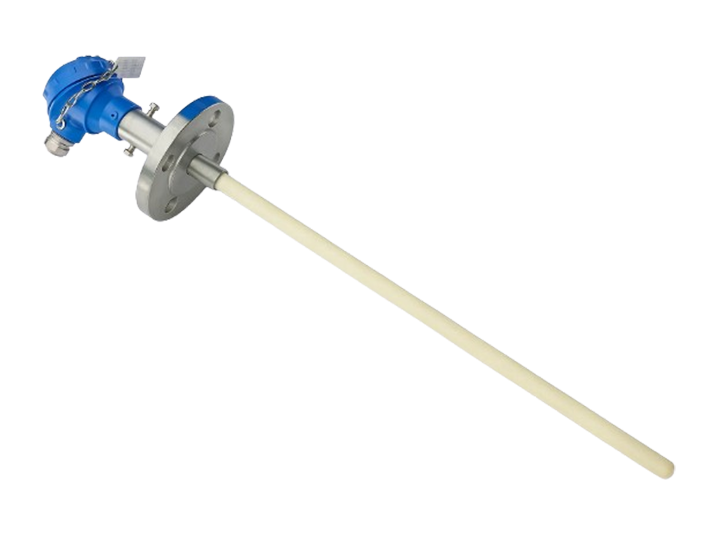
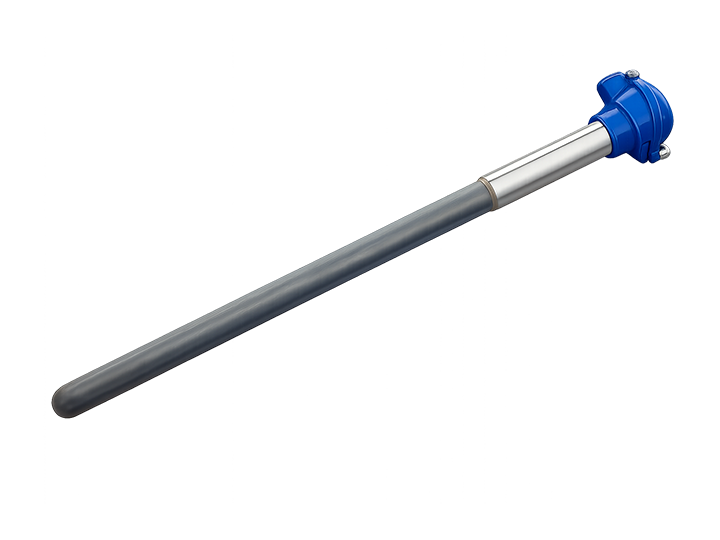
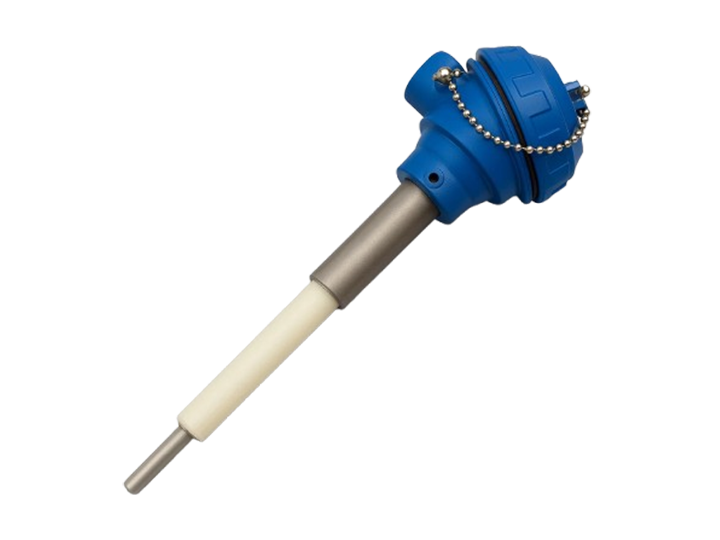
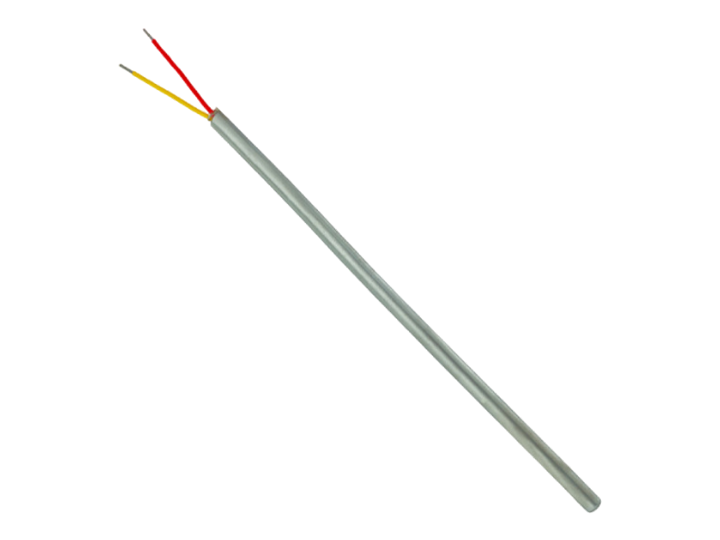
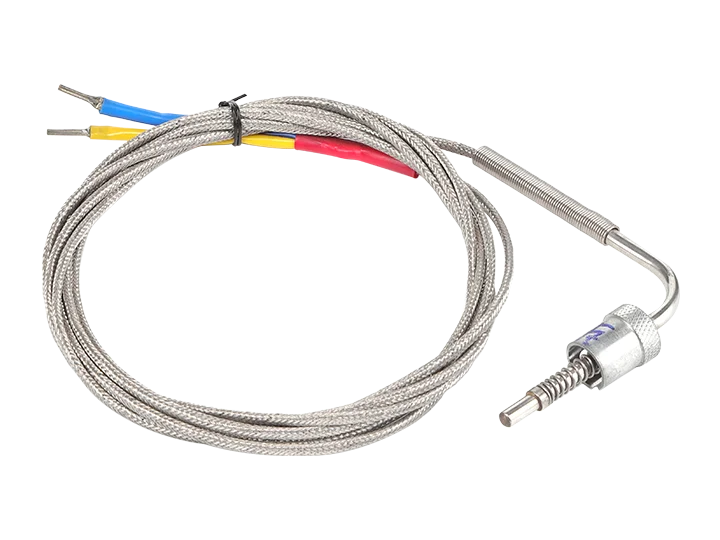
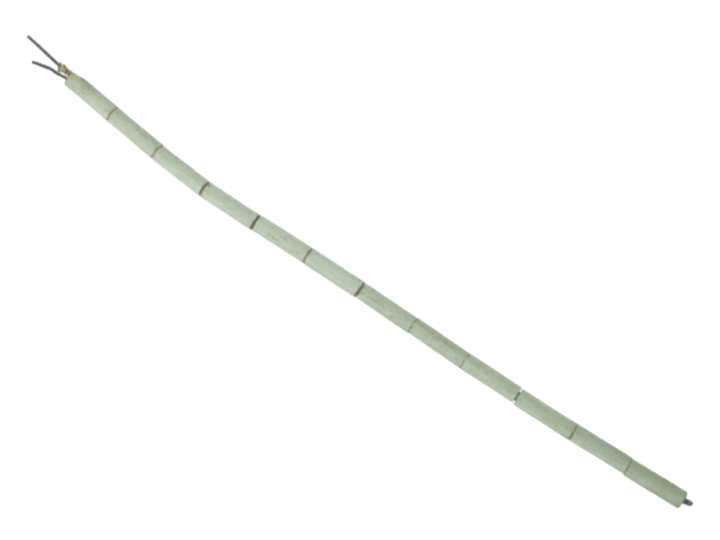
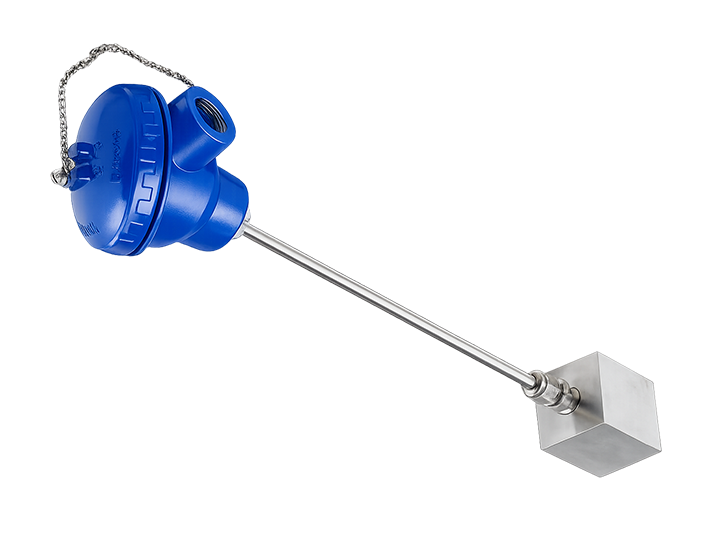
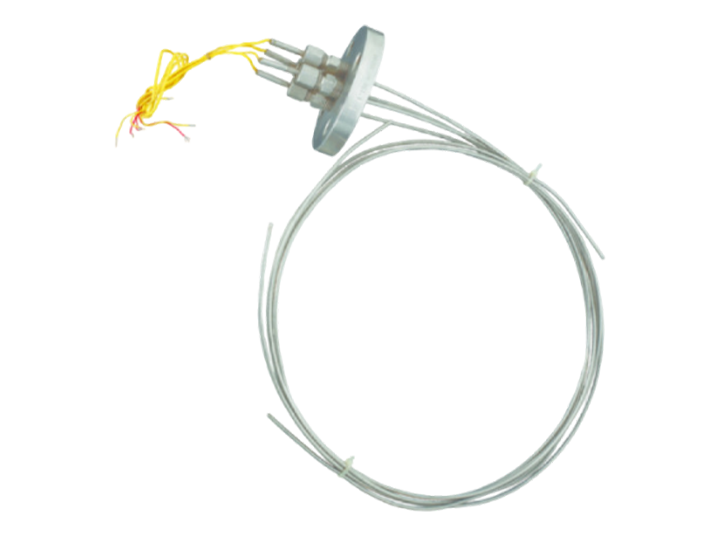
Thermocouples are built to withstand harsh environments including high pressures, vibrations and corrosive or oxidizing conditions, making them reliable in various industrial applications. Simple and compact design makes thermocouples easy to install, even in hard-to-reach or confined spaces. Baumer Technologies thermocouples are available with various element types, configurations, sheath materials and junctions. Thermocouples can be tailored to specific application needs with various sheath materials, junction types and designs.
Thermocouples guarantee accurate reading for temperatures from -200° C to 1700° C and are available in sheath diameters from 0.5 mm to 12.7 mm. These thermocouples are available in various types- J, K, T, E, N, R, S, B and configurations and can be customized for specific temperature ranges, environments and applications.
Thermocouples are widely used across various industries like Manufacturing, Aerospace, Automotive, Pharmaceutical, Food & Beverage and others due to their adaptability to different environments and processes. Thermocouples work well in diverse environments including vacuum, high-pressure and chemical reactive atmospheres depending on the sheath material used.
Your benefits
Baumer Technologies thermocouples find use across various industries and applications like Oil & Gas, Energy / Power Generation, Pharmaceutical, Chemical and Petrochemical, Food & Beverage and many more.
- Sheath diameters: 0.5 mm to 12.7 mm
- Types: J, K, T, E, N, R, S, B
- Measuring ranges: -200° C to 1700° C
- Reference standards: IEC 60584.2 / ANSI MC-96.1 / ASTM E230
- Approvals: ATEX, IECEx, FM, CSA
- Configurations: Simplex, Duplex, Triplex, Multi Sensors
- Sheath materials: SS 304, SS 310, SS 316 / SS 316L, Inconel 600, HRS 446, Hastelloy
- Junctions: Grounded, Ungrounded, Exposed
- Customer-specific Thermocouples for various applications
Technology
The principle of operation of a thermocouple is based on the Seebeck' effect, which states that when two dissimilar metals or alloys are joined together at two junctions, a voltage (thermoelectric EMF) is generated that is proportional to the temperature difference between the junctions. One junction called the hot junction, is exposed to the temperature to be measured, while the other junction, known as the cold junction or reference junction, is maintained at a known, constant temperature (often ambient or compensated electronically). The thermocouple generates a small voltage as the electrons move from the hot junction to the cold junction due to the temperature-induced energy difference, creating a potential difference.
This voltage is directly proportional to the temperature difference between the two junctions and can be measured. By referencing standard thermocouple tables or calibration curves specific to the thermocouple types (K, J, T, E, N, R, S, B), the temperature of the hot junction can be accurately determined. Thermocouples are widely used in industrial and scientific applications due to their ability to measure a wide range of temperatures, from cryogenic levels to extremely high temperatures (up to 1700°C, depending on the types), due to their simplicity, durability and compatibility with harsh environments.
Thermocouples are suitable for harsh environments, including high pressure, vibration and corrosive conditions. Different thermocouple types (K, J, T, E, N, R, S, B) cover diverse temperature ranges and environments. They are available in various sizes, making them suitable for small or constrained spaces. Thermocouples work reliably in extreme conditions, including high temperatures, corrosive gases and intense vibrations. High durability and resistance to wear and tear ensures lifetime extension in demanding environments.