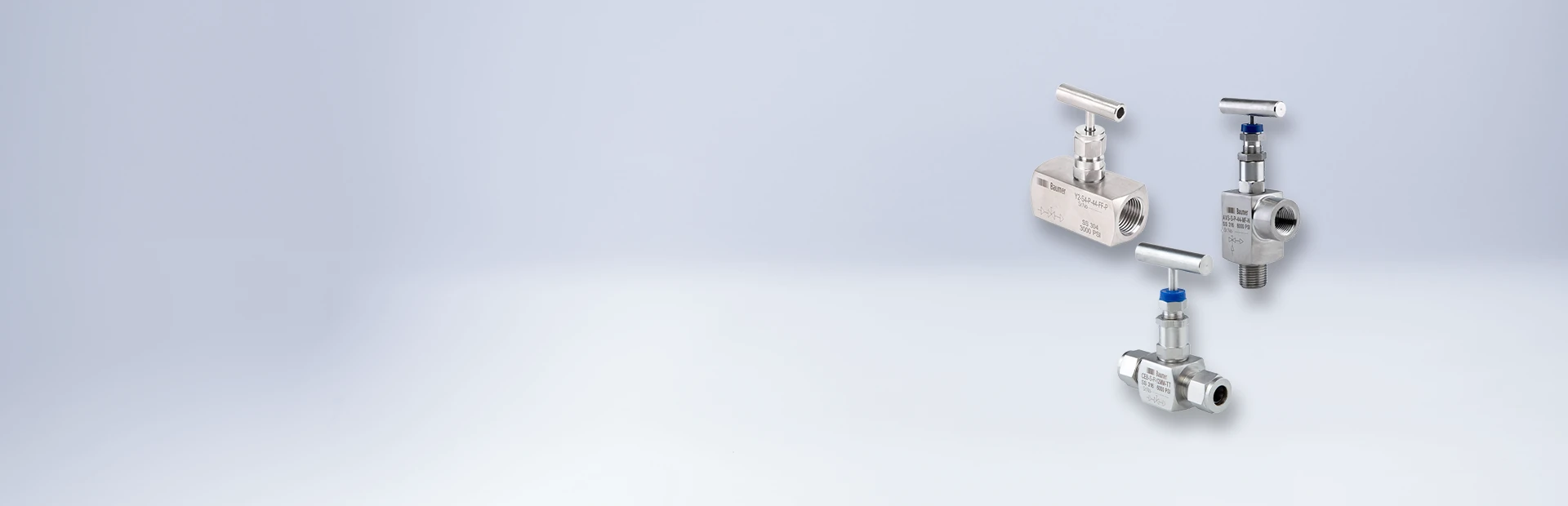
Product portfolio
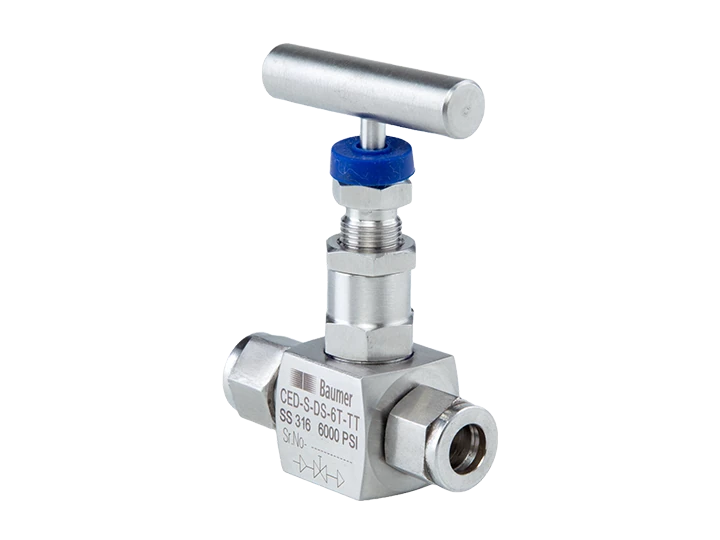
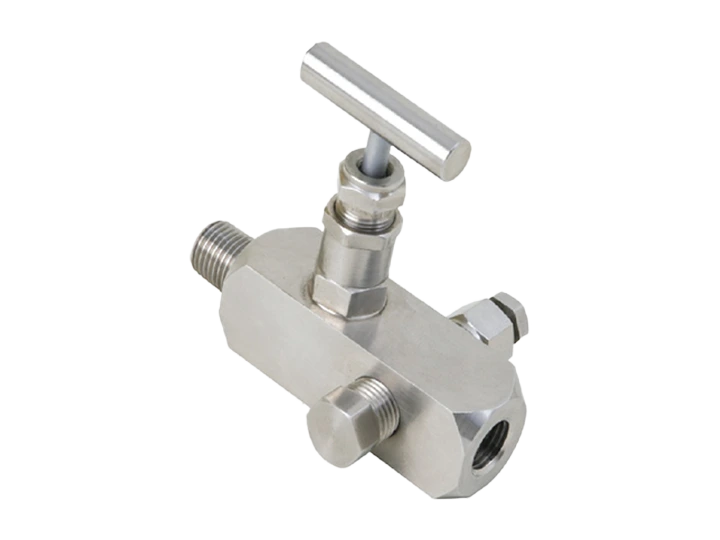
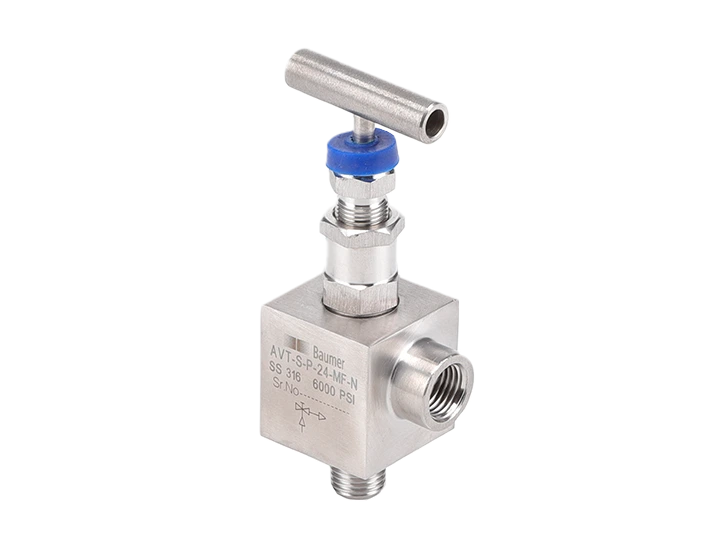
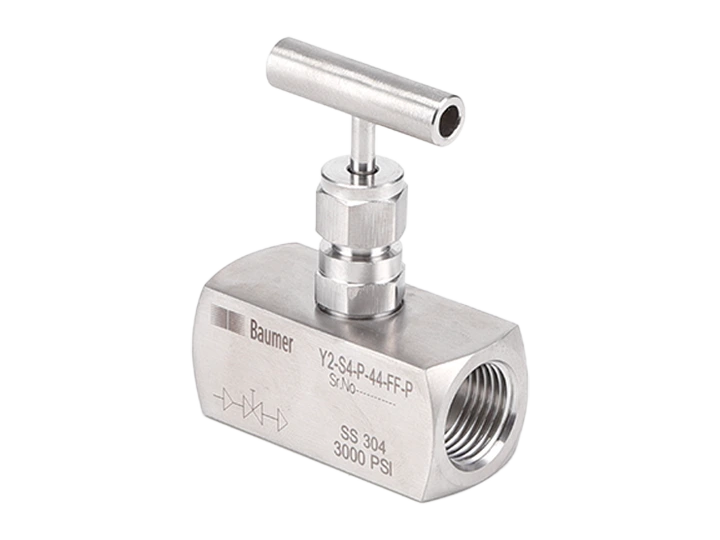
Description
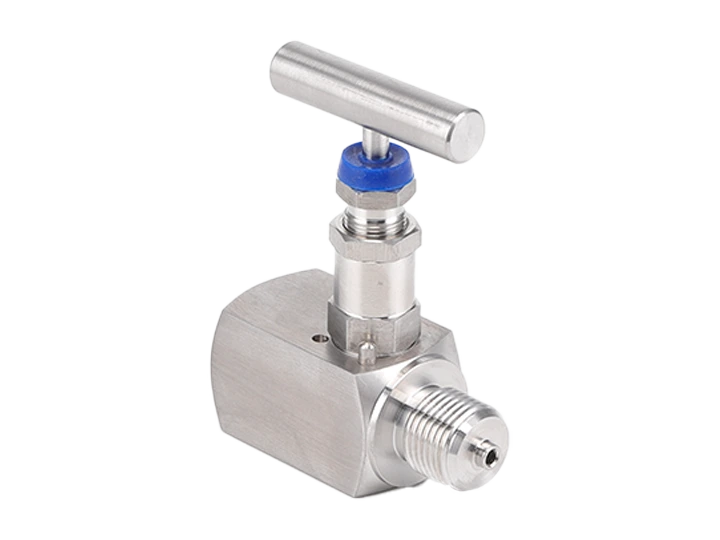
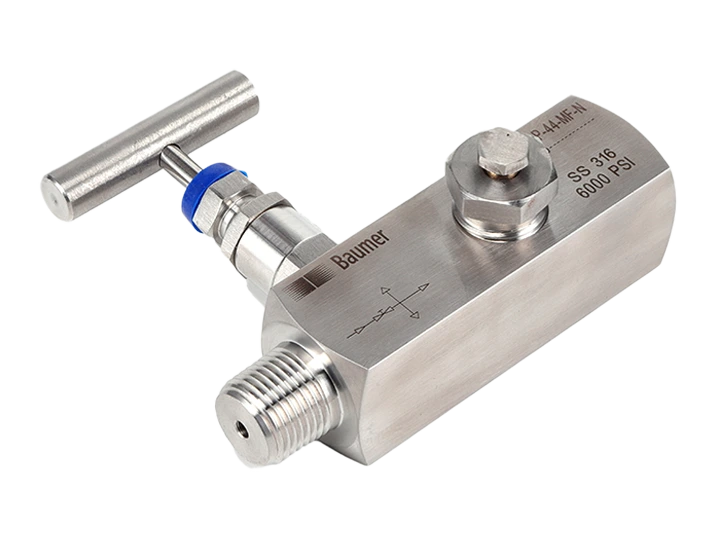
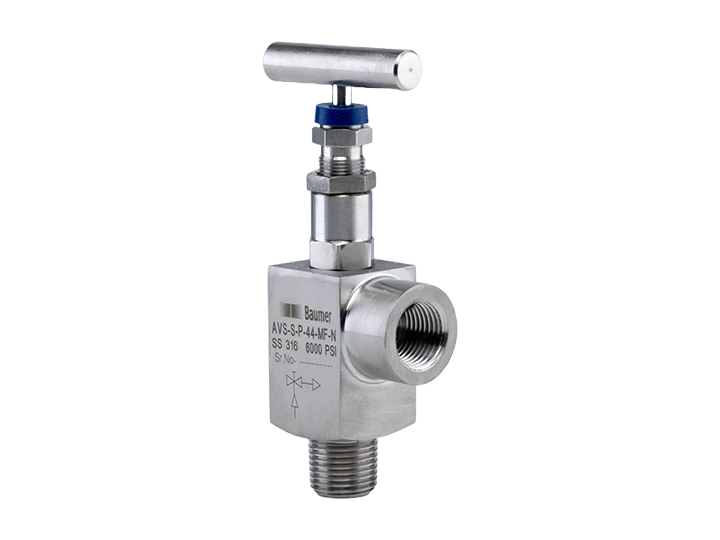
Instrument valves are specialized devices used to control the flow of fluids (liquids or gases) in industrial systems especially in instrumentation and measurement applications. These valves are designed to provide accurate, reliable and safe control over critical fluid and gas processes ensuring smooth operations and within desired parameters.
Your benefits
Instrument valves provide precise control over the flow, pressure and direction of fluids enabling accurate regulation of industrial processes and ensuring optimal performance. The stem sealing technology in instrument valves ensures a leak-free operations protecting against hazardous fluid leaks that could pose safety and environmental risks.
Construction from corrosion-resistant and high-strength materials like stainless steel, they are built to last, withstanding high pressure, temperature fluctuations and corrosive environments. Available in various types (e.g. needle valves, ball valves), they can be used in a wide range of applications across industries such as Oil & Gas, Chemical and Petrochemical and Pharmaceuticals. These are designed to handle extreme operating conditions, instrument valves are ideal for high-pressure, high-temperature applications without compromising performance.
Technology
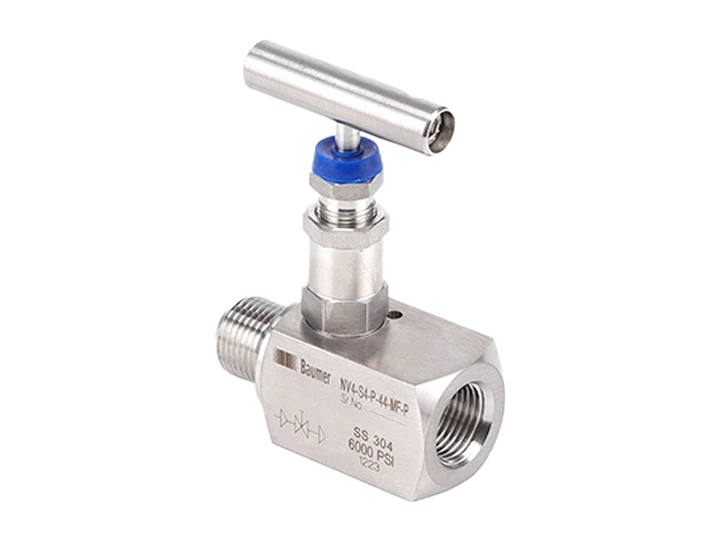
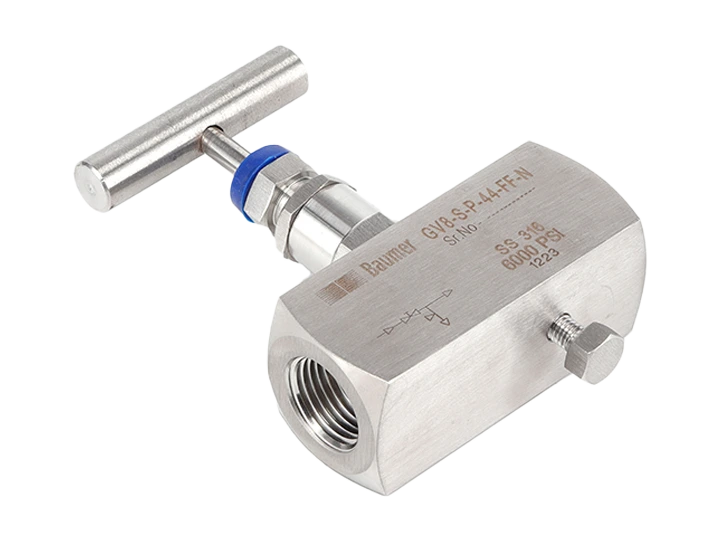
Needle Valves: The valve body, typically made from durable materials like stainless steel, monel, inconel etc. houses the needle and other internal components including the bonnet which covers the stem assembly. The needle is operated manually via a handwheel allowing for the controlled movement of the needle in and out of the seat to regulate flow. A locknut ensures the valve remains securely set once adjusted. Packing around the stem provides a seal to prevent leaks and inlet / outlet ports enable the fluid to enter and exit the valve.
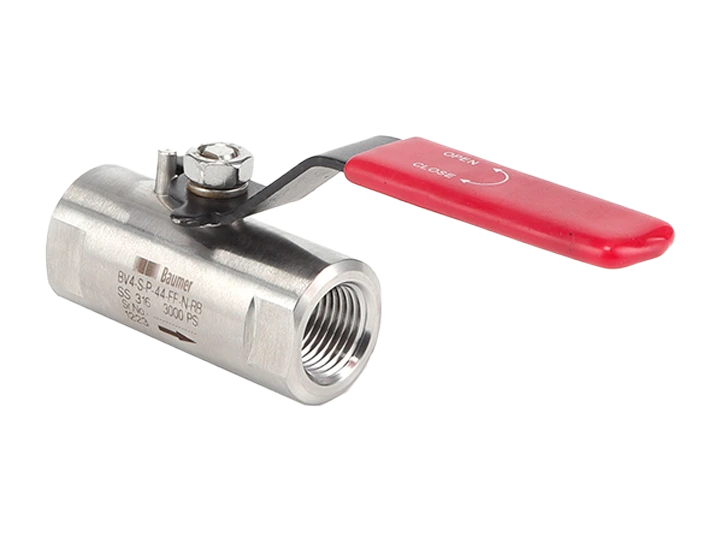
Ball Valves: An instrument ball valve is a highly reliable valve used for controlling the flow of liquids and gases in instrumentation and control systems. It features a solid ball that rotates within the valve body to control the flow. When the valve is open, the ball's hole aligns with the pipeline allowing fluid to pass through; when closed, the ball rotates 90 degree to block the flow creating a tight seal. The design is typically compact and robust, often constructed from stainless steel or other corrosion-resistant materials to ensure durability and performance in harsh environments. Instrument ball valves are known for their fast operation allowing for fast shut-off.